For Takeaway & Foodservice
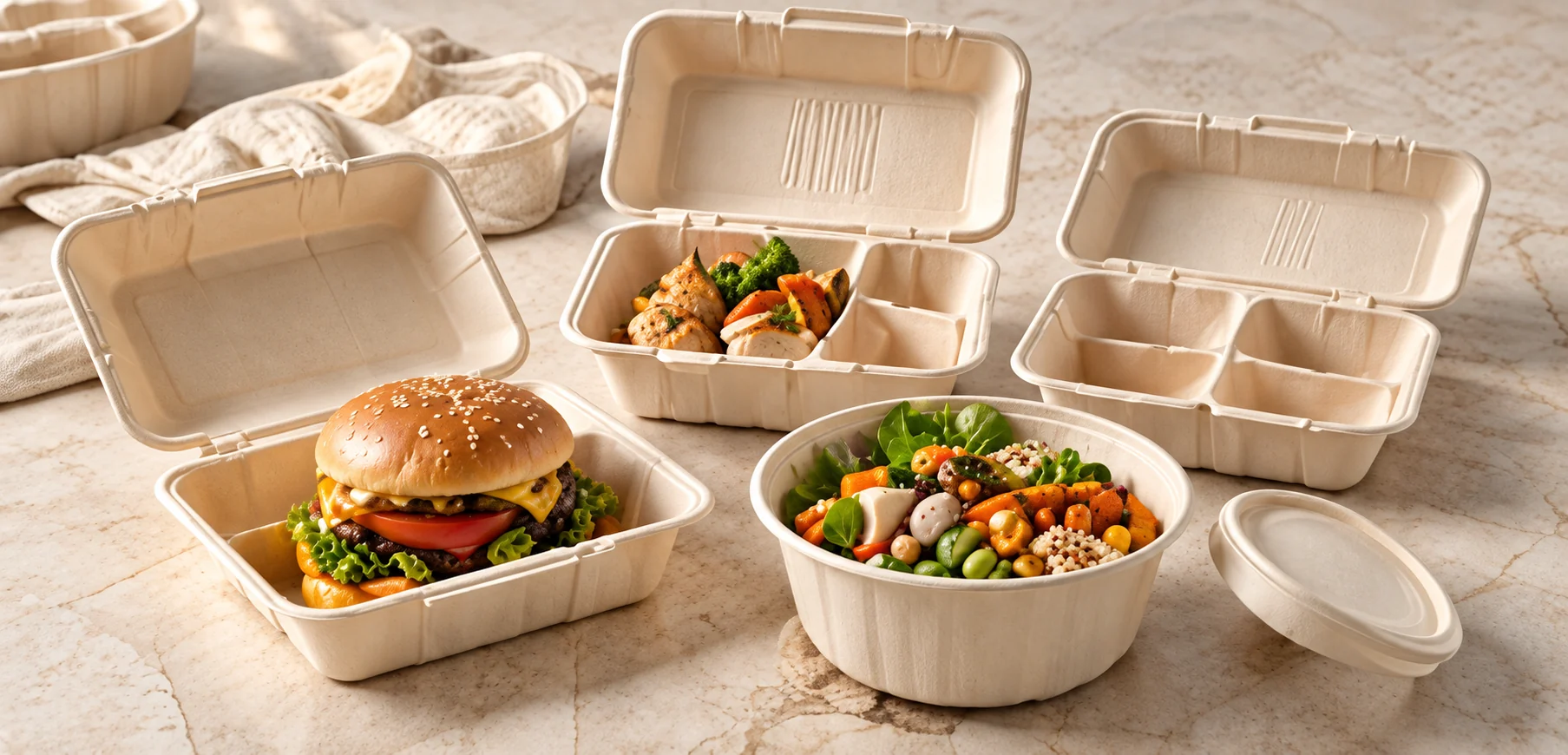
Sugarcane Bagasse & Bamboo Fiber Food Containers
Explore wet-moulded bagasse and bamboo-pulp options for burgers, portioned meals, bowls and generous servings.
Bagasse & bamboo
Clamshells & bowls
6 configurations
Six formats. Clear choices for your menu.
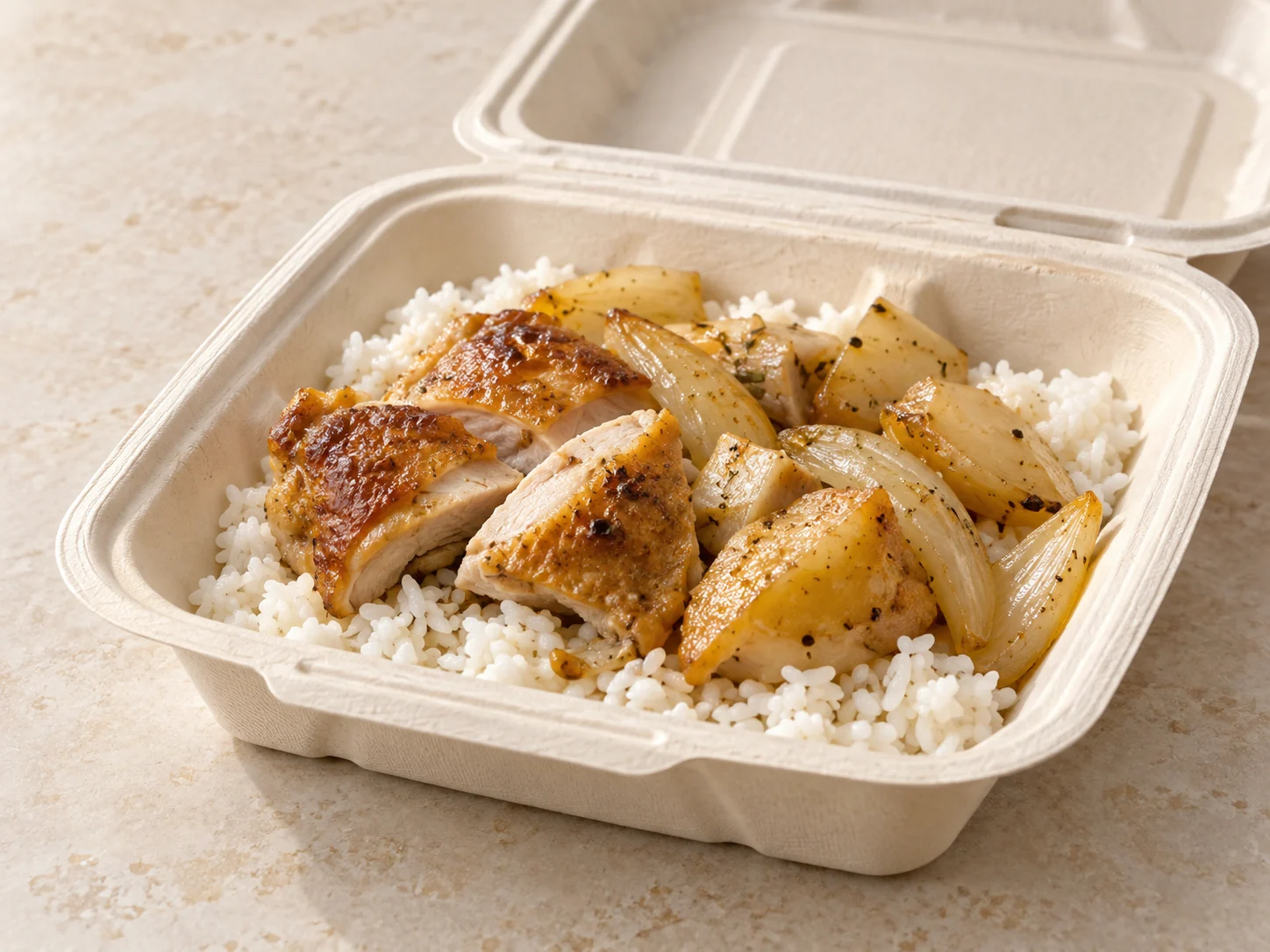
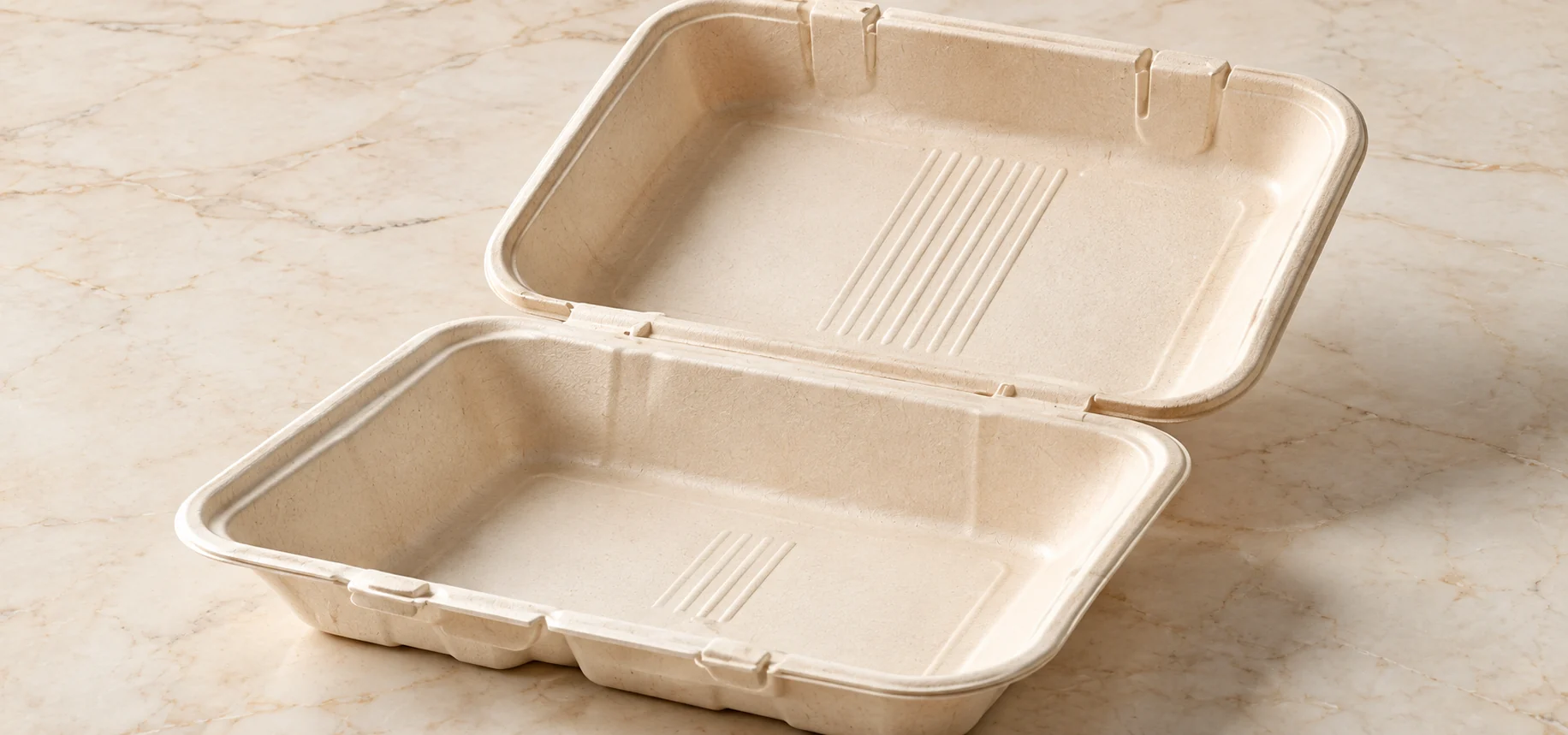
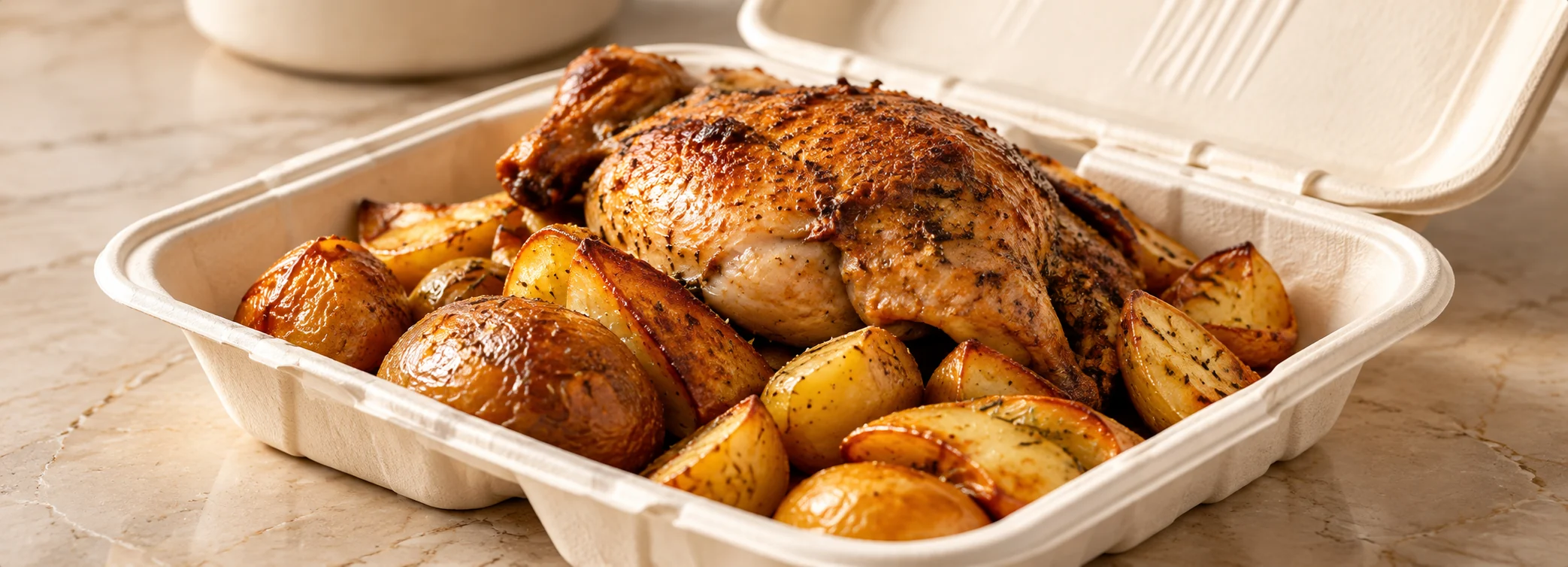
8-inch Single Clamshell
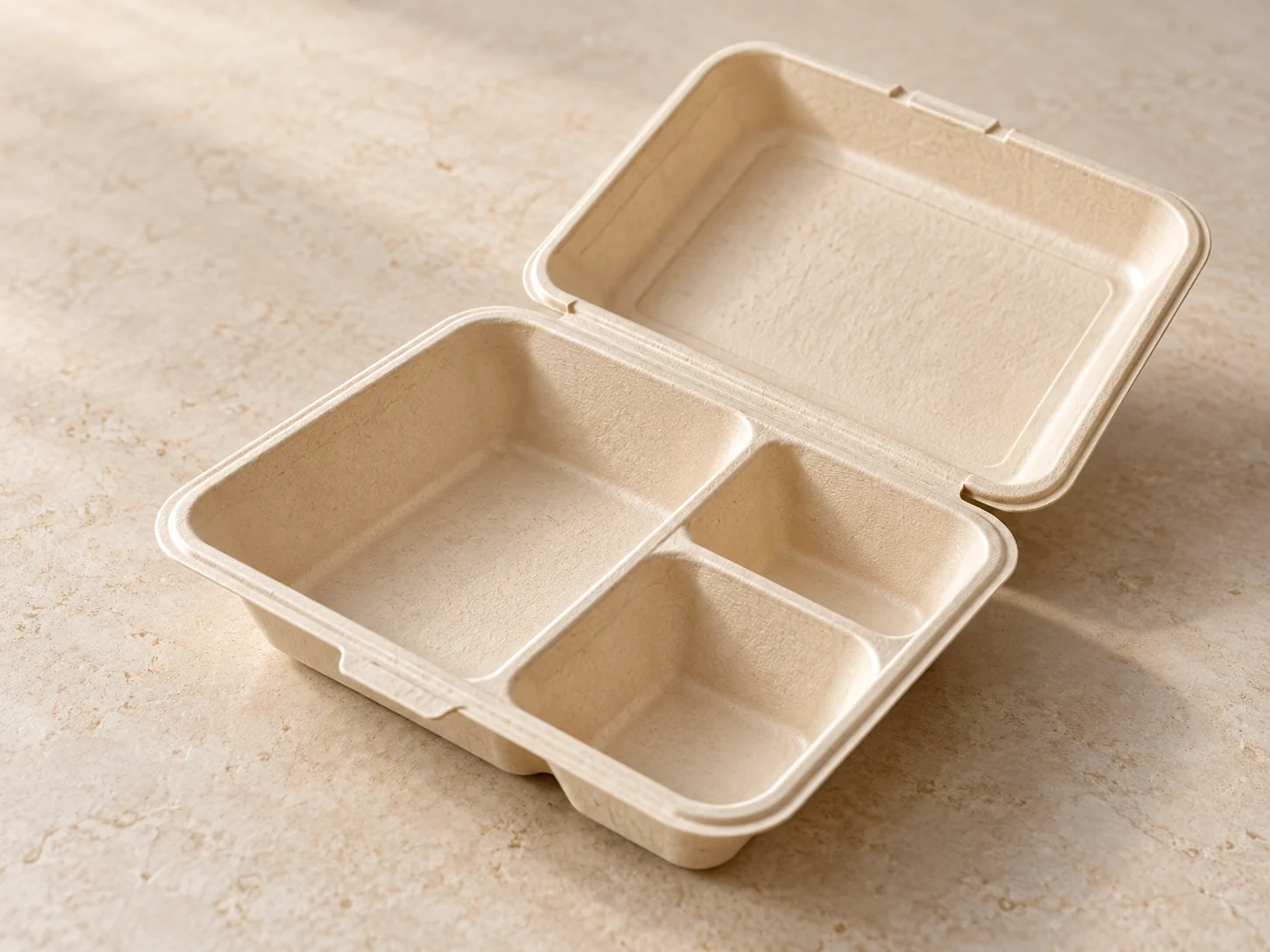
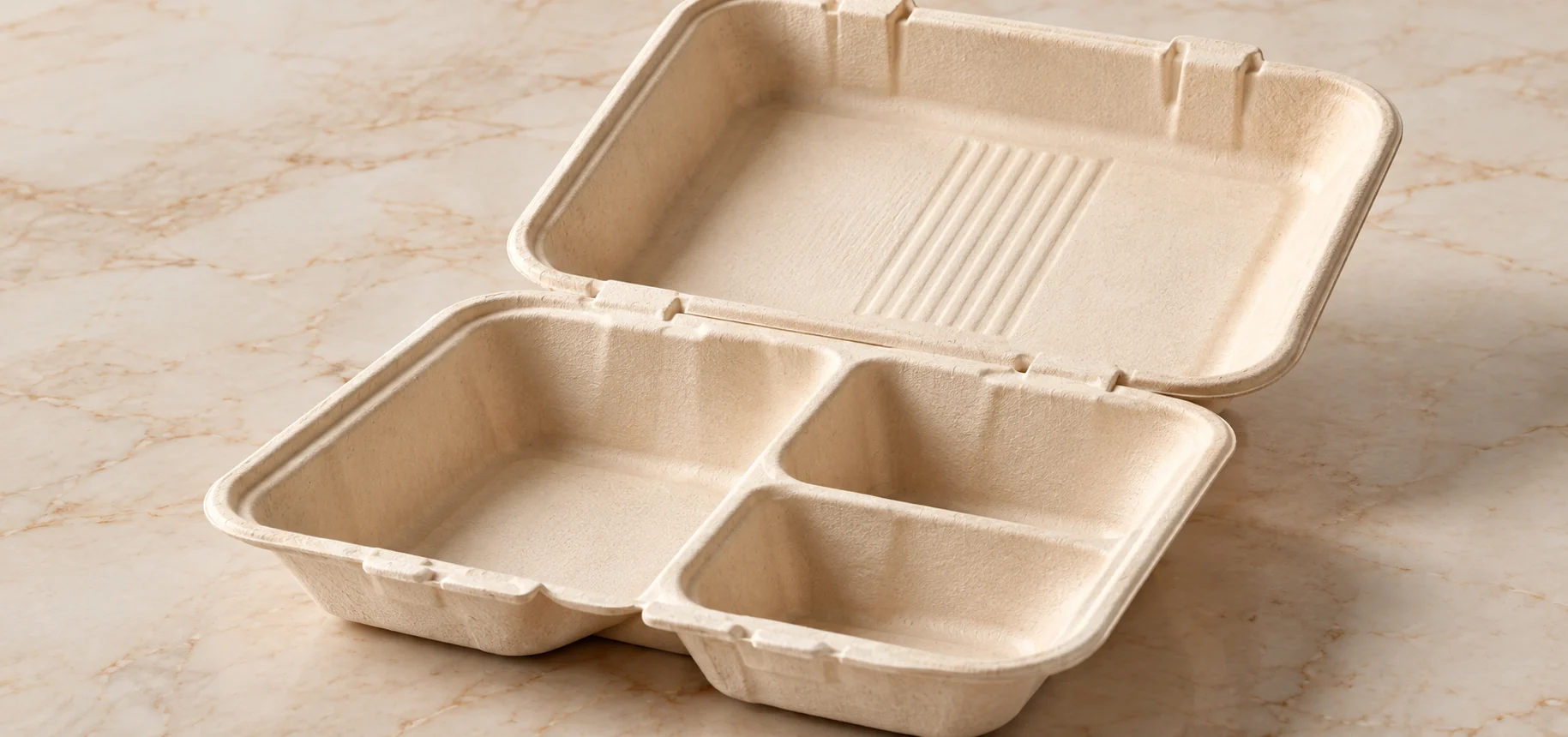
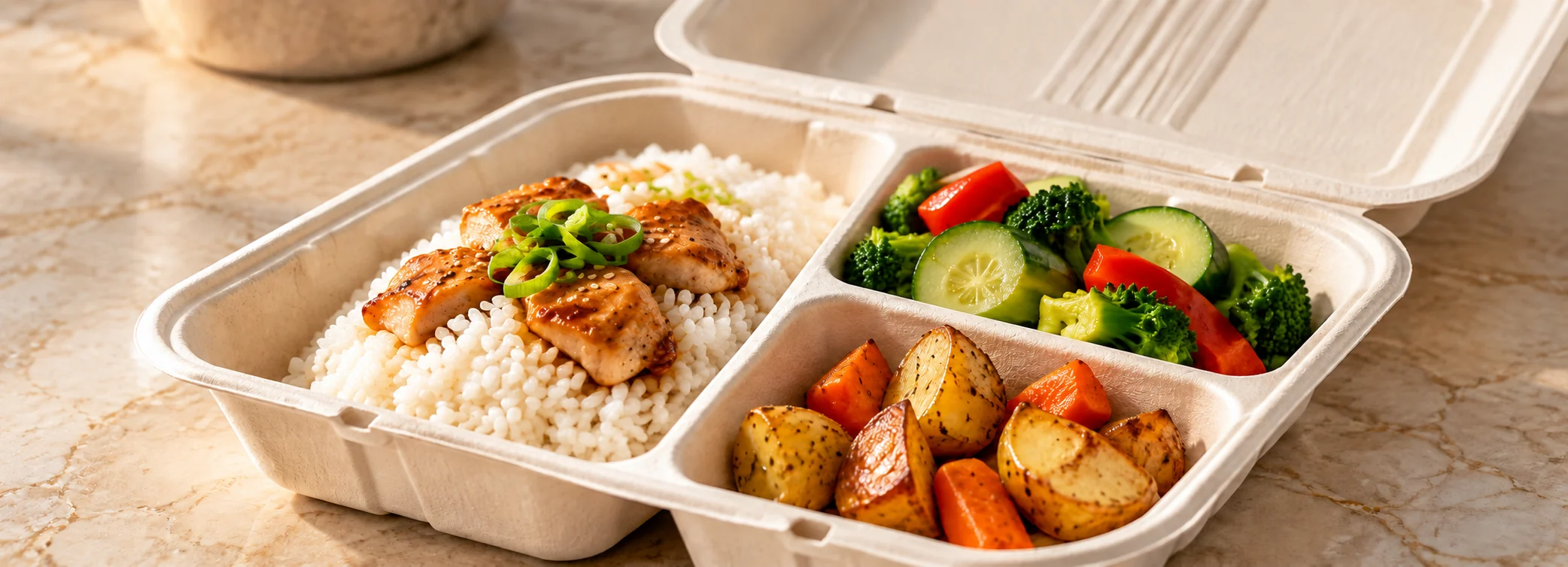
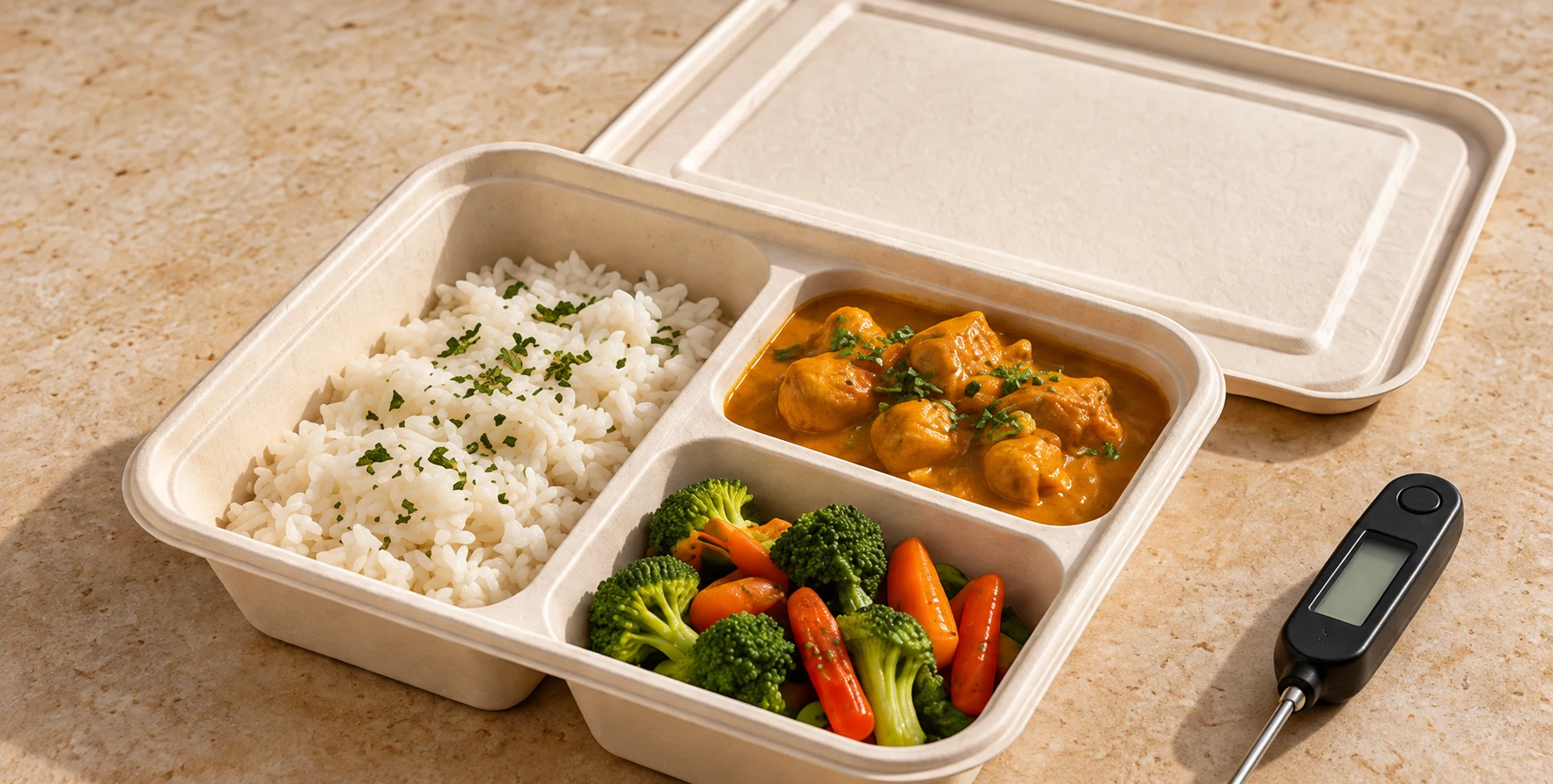
8-inch Three-compartment Clamshell
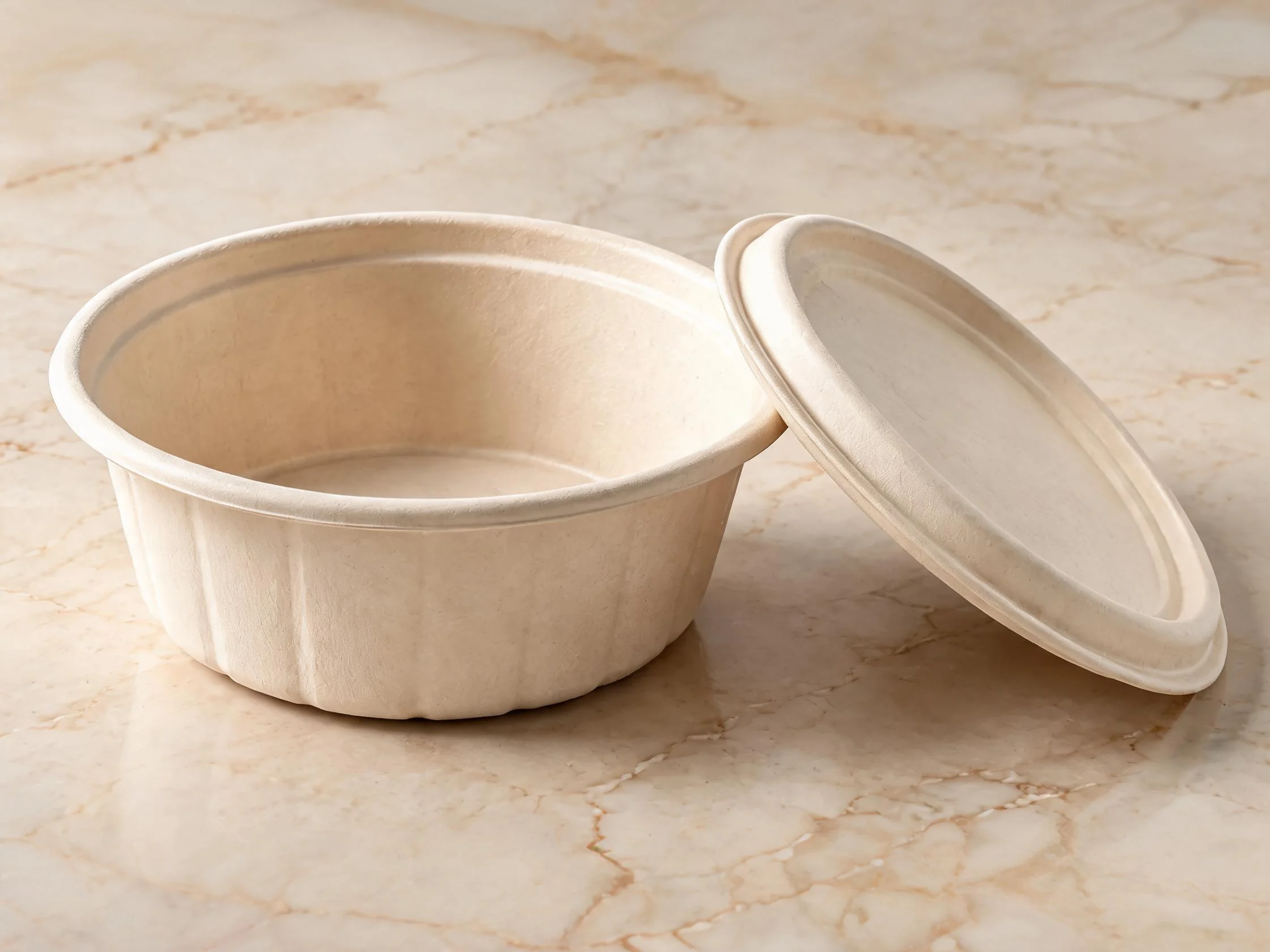
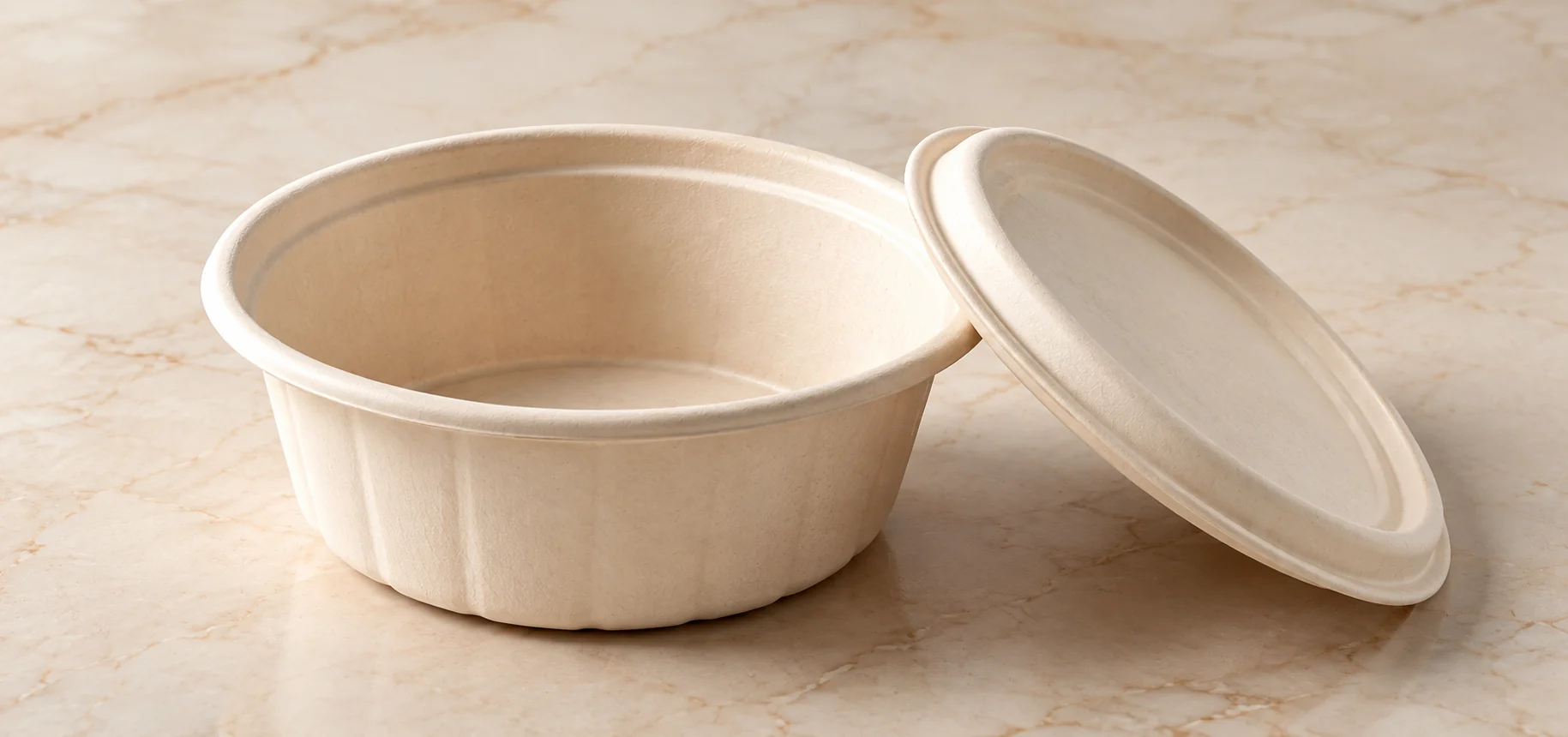
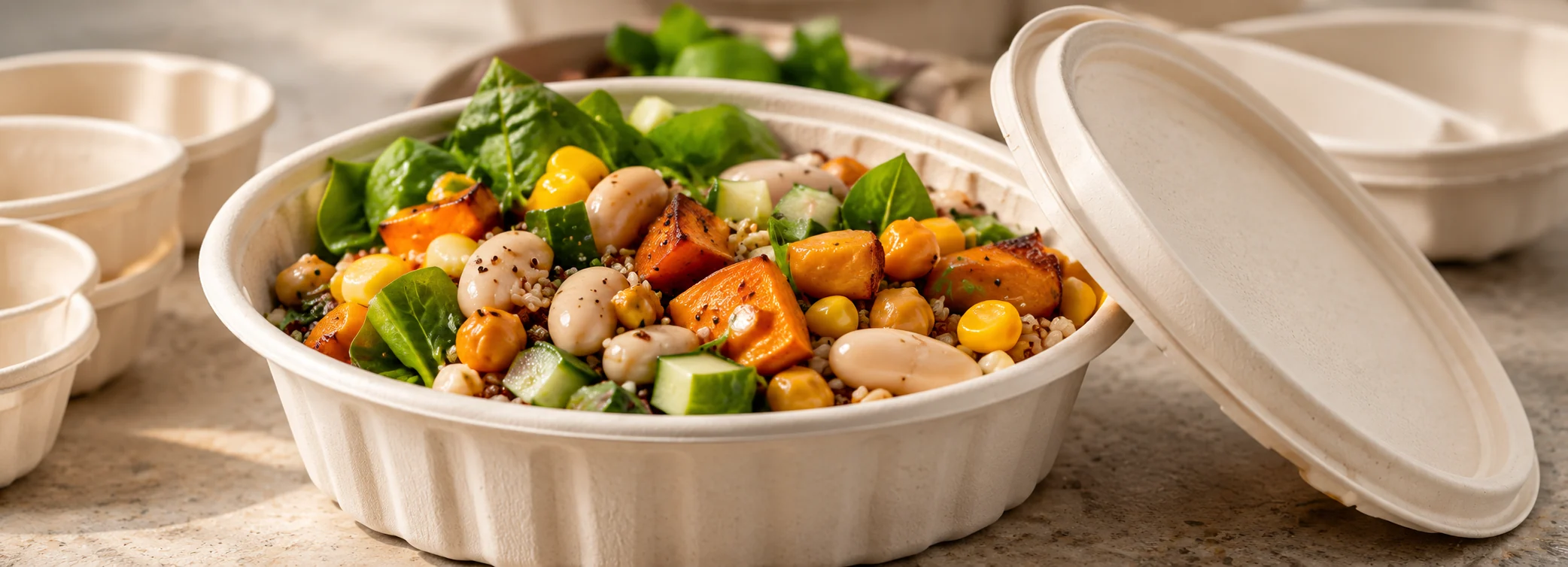
750 ml Bowl & Lid
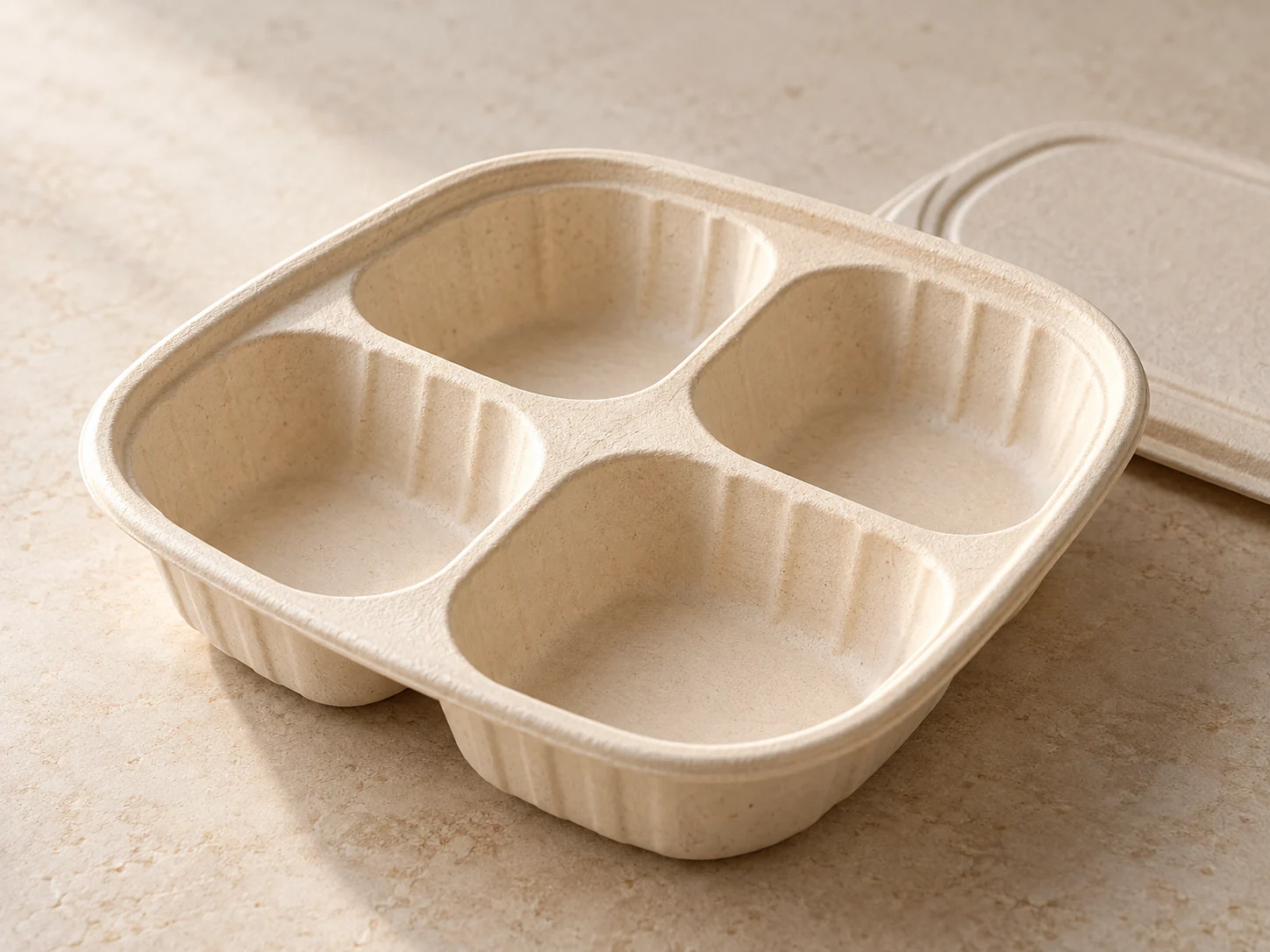
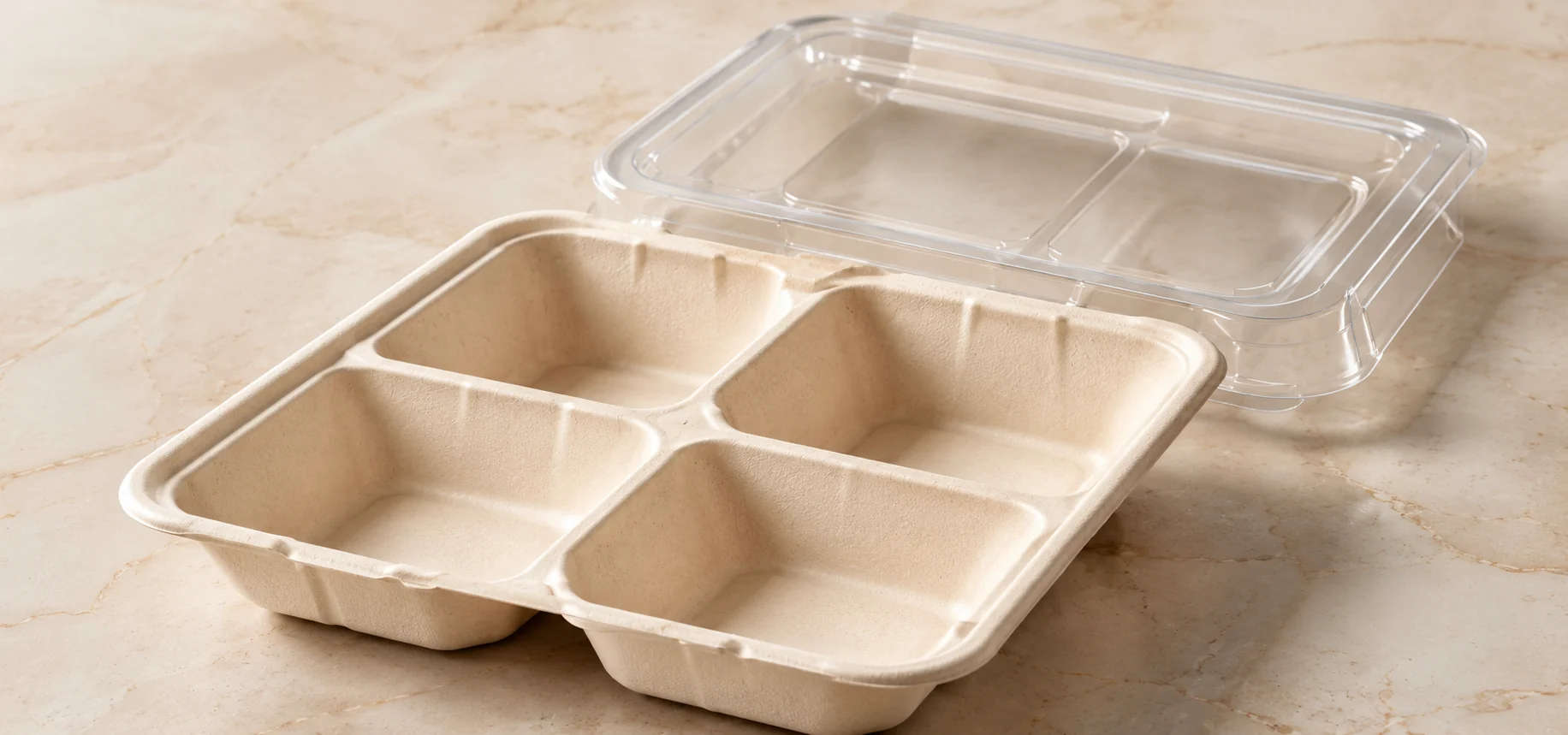
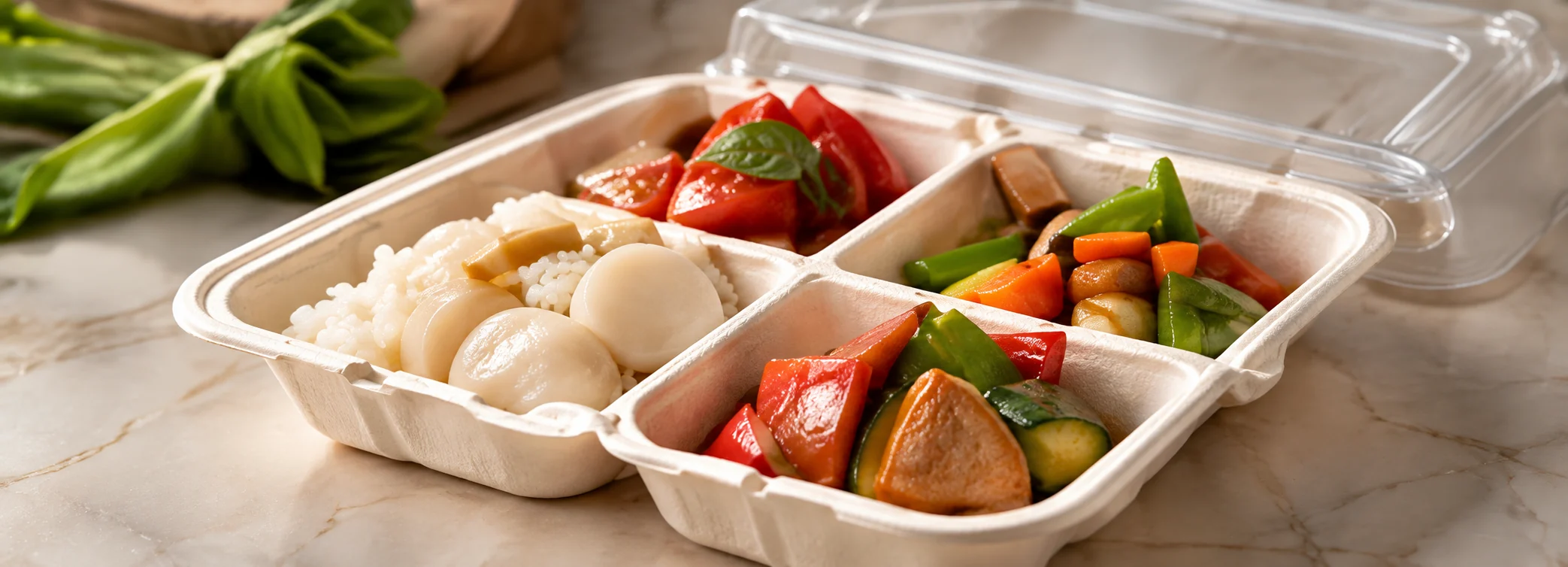
Four-compartment Bento Box
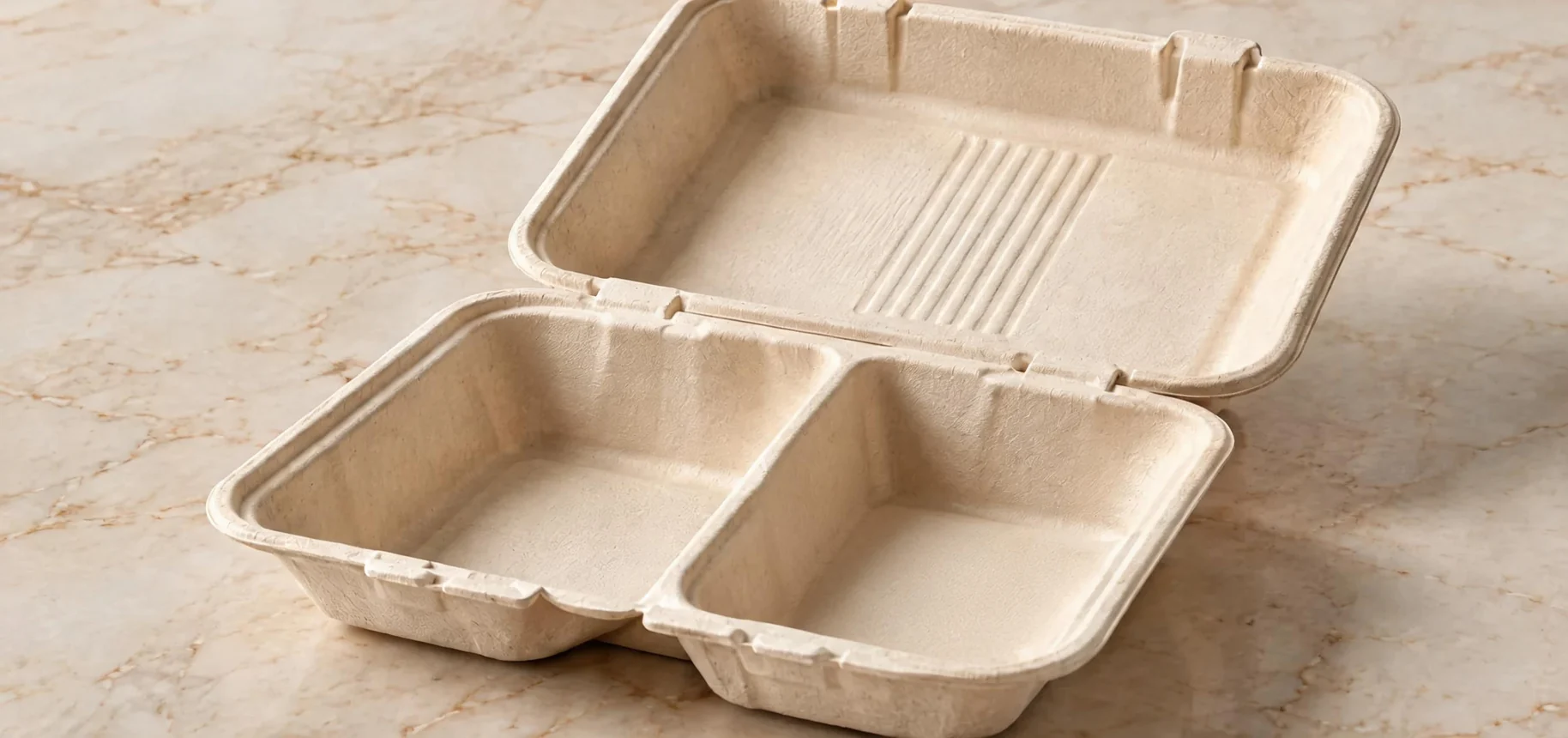
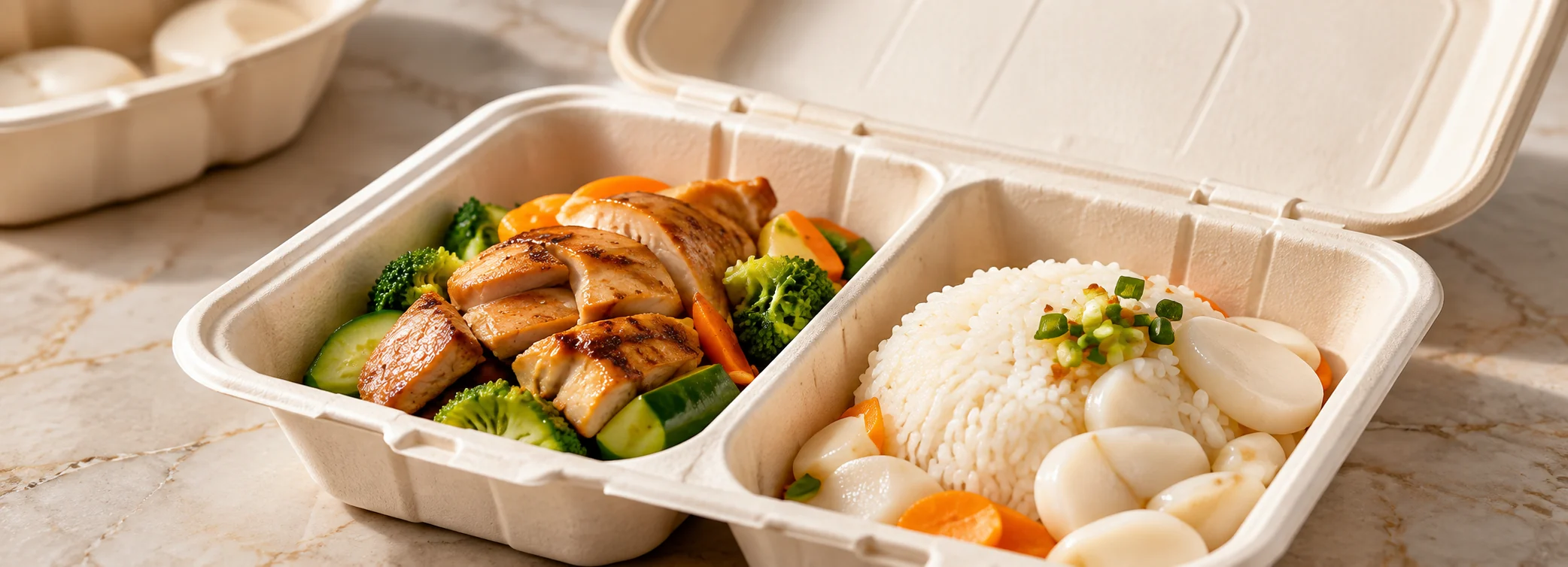
Two-compartment Clamshell
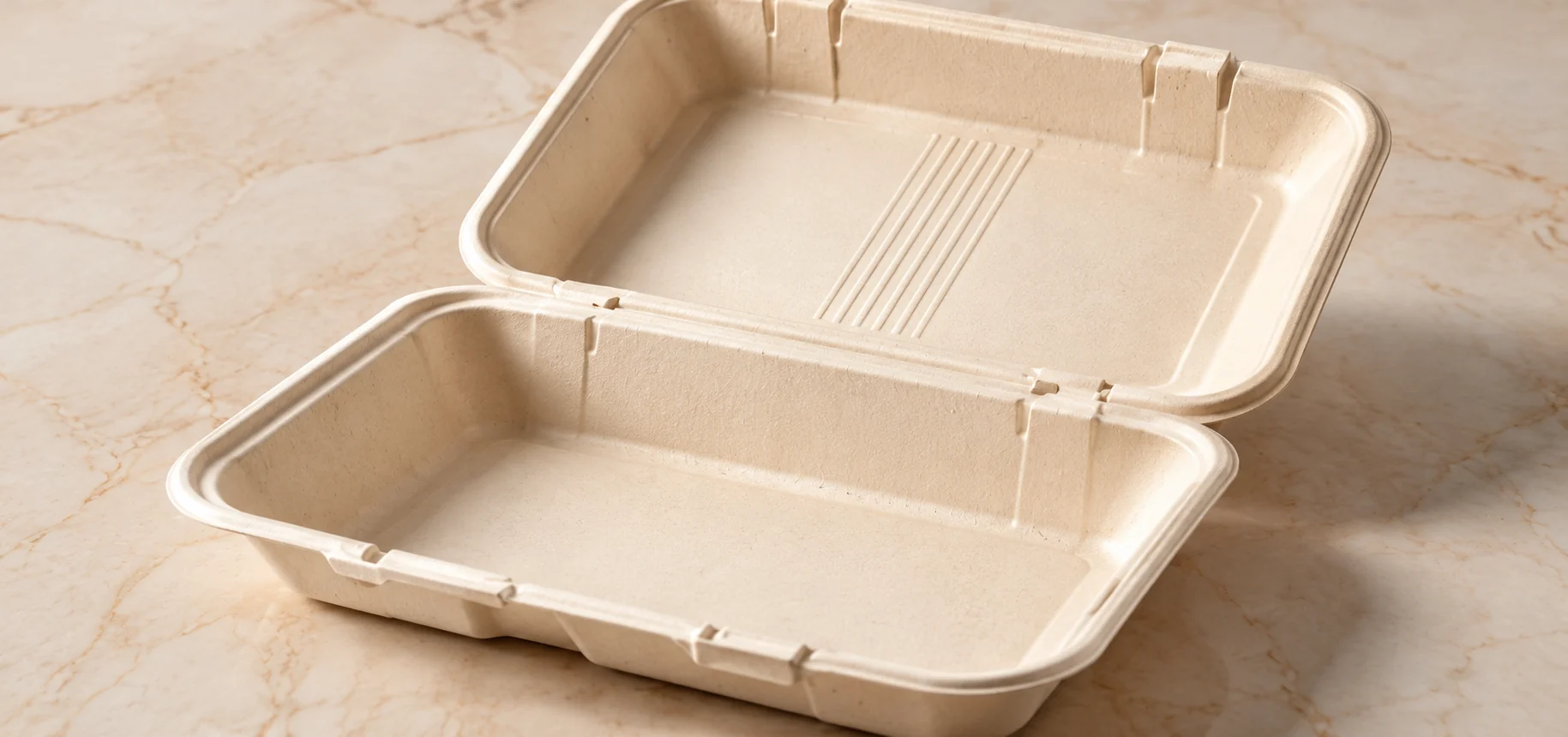
9-inch Large Clamshell
Compare formats and closures
| Format | Size class | Compartments | Closure |
|---|---|---|---|
| 8-inch Single Clamshell | 8-inch | 1 | Hinged lid |
| 8-inch Three-compartment Clamshell | 8-inch | 3 | Hinged lid |
| 750 ml Bowl & Lid | 750 ml | 1 | Separate lid |
| Four-compartment Bento Box | Bento | 4 | Separate lid |
| Two-compartment Clamshell | Rectangular | 2 | Hinged lid |
| 9-inch Large Clamshell | 9-inch | 1 | Hinged lid |
Match the Pack to the Meal
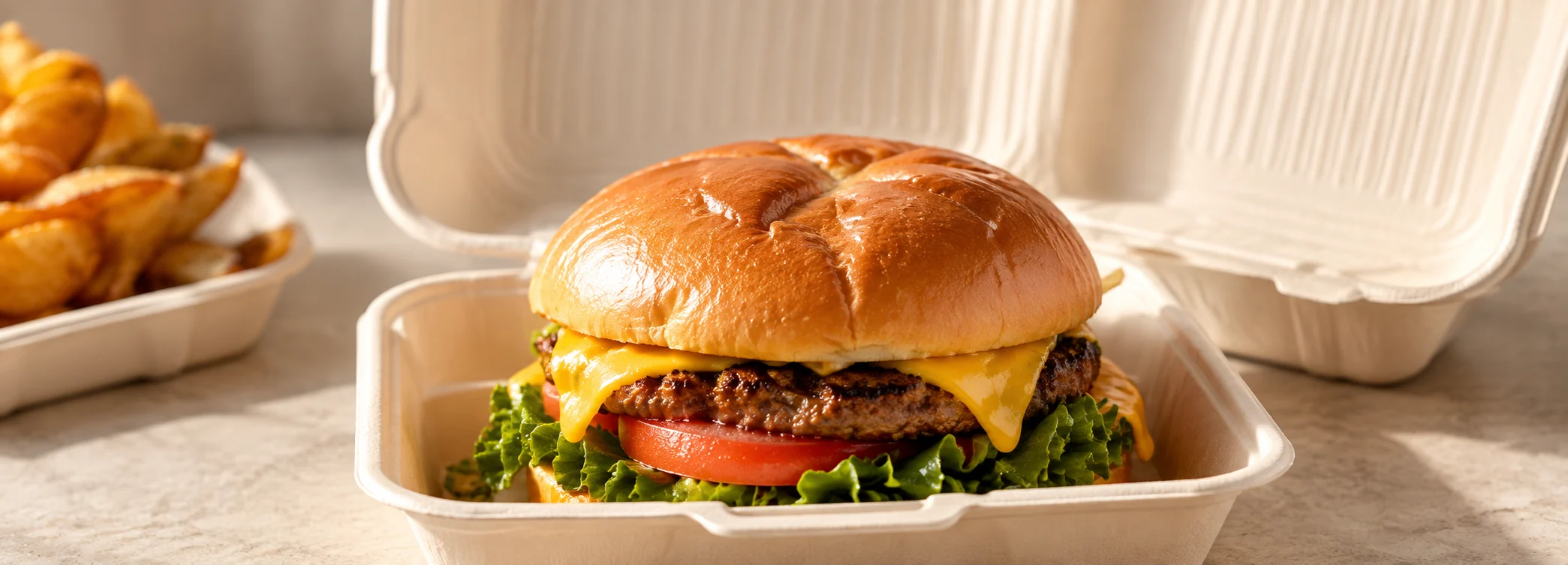
Burgers & Sandwiches
Portioned Lunches
Rice & Grain Bowls
Bento & Side Dishes
Balanced Meals
Barbecue & Larger Portions
Test samples with your own menu.
Define the trial
Pack and handle the meal
Keep the agreed reference
YOUR MEAL
YOUR ROUTINE
YOUR REFERENCE PACK
Choose the right route for your project.
Existing formats
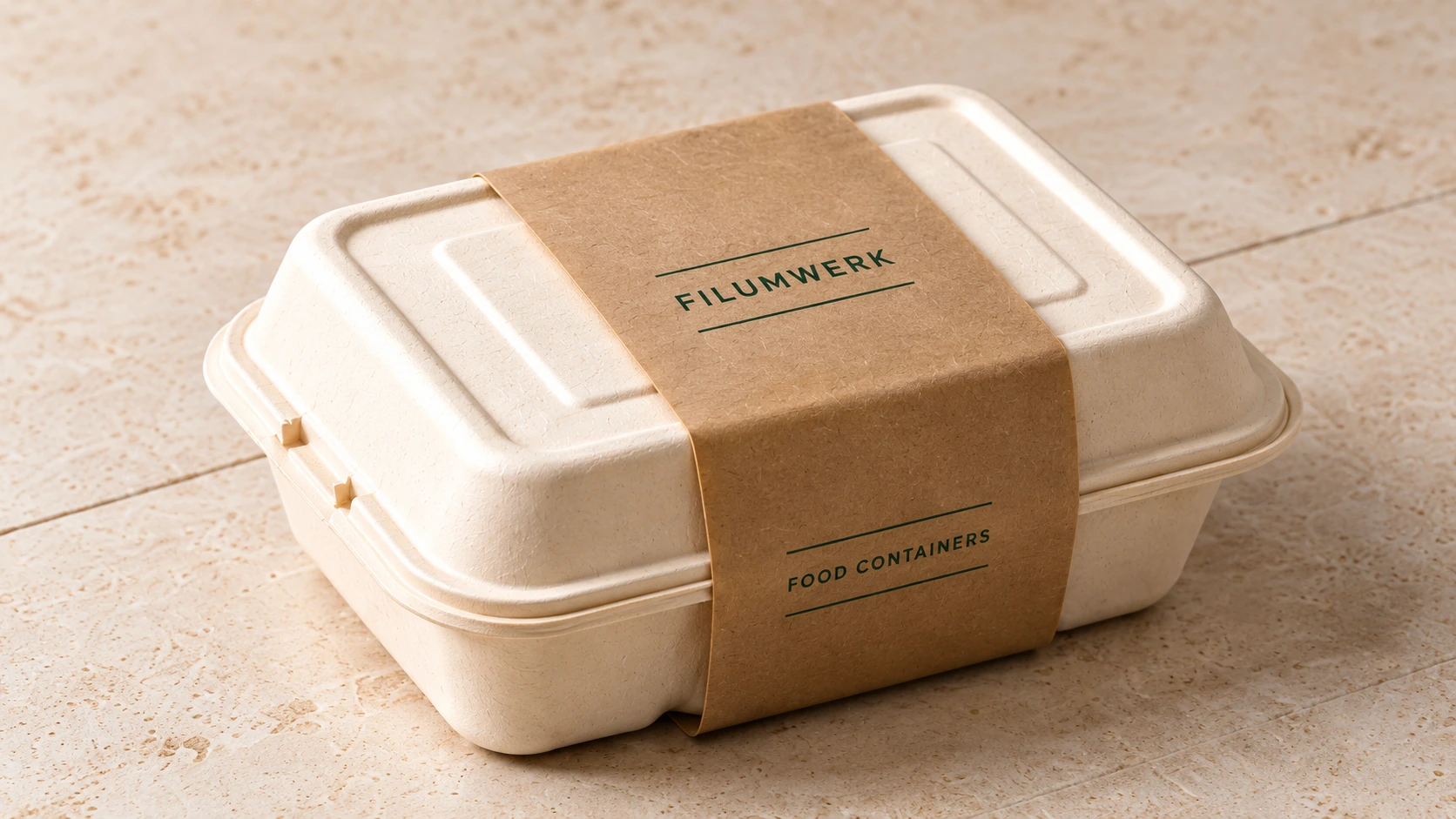
Branding & packaging
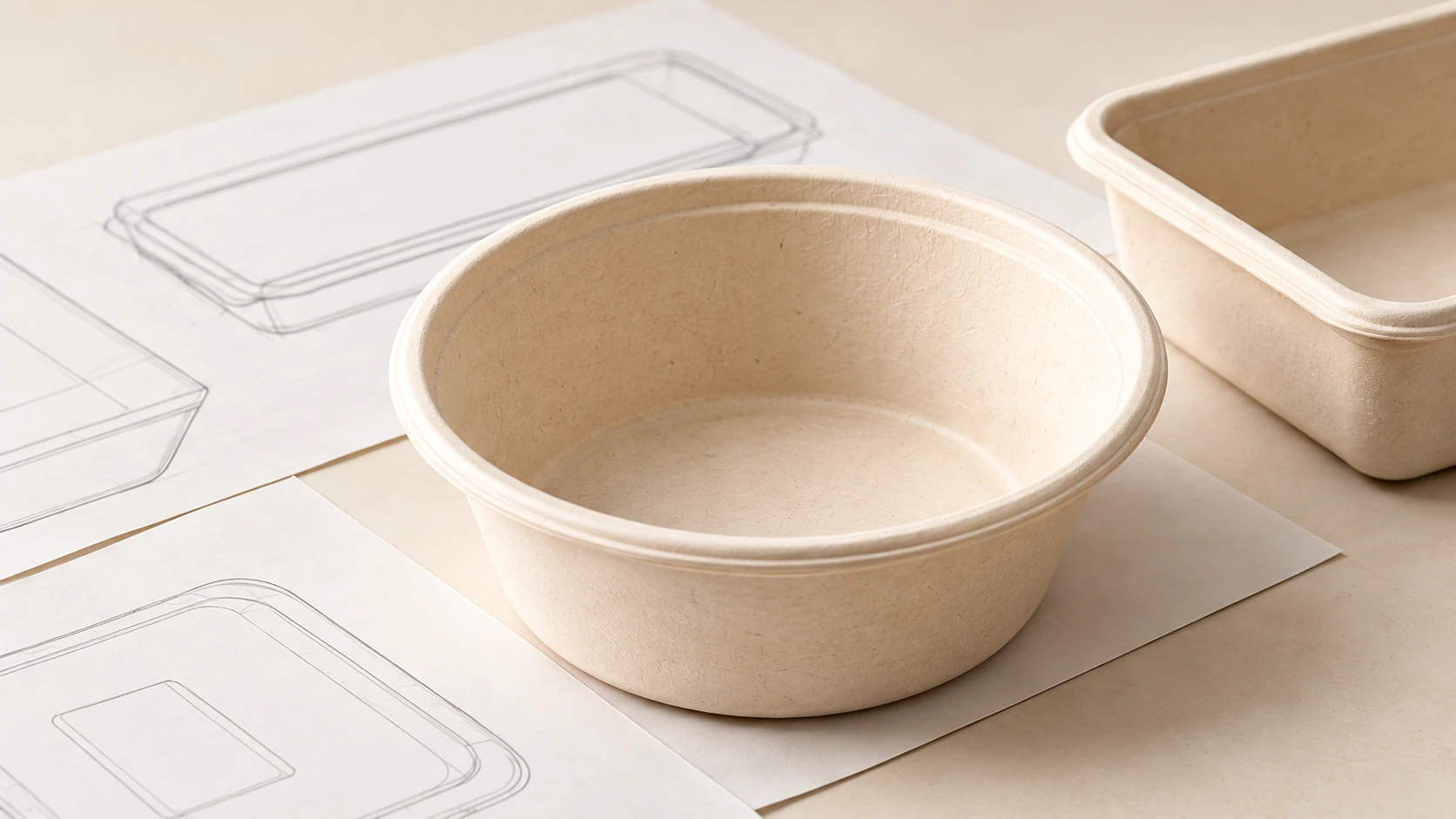
Custom shape development
Approve your branding on the physical pack
FOOD CONTAINERS MATERIAL COMPARISON
Bagasse&Bamboo Fiber vs Cornstarch vs Plastic (PP/PET) vs Foam (EPS)
| Feature / Material | Bagasse&Bamboo Fiber | Cornstarch | Plastic (PP / PET) | Foam (EPS) |
|---|---|---|---|---|
| Raw Material Source | Sugarcane fibre by-product | Plant-based corn starch | Petroleum-based plastic | Petroleum-based polystyrene |
| Compostability | Home & industrial compostable★★★★★ | Industrial compostable★★★★★ | Not compostable★★★★★ | Not compostable★★★★★ |
| Heat Resistance | ≈ −10°C to 120°C | ≈ −10°C to 120°C | PP: −20°C to 120°CPET: −20°C to 70°C | ≈ −20°C to 90°C |
| Toxicity & Chemical Safety | ✓Natural fibre, no chemical release even when heated | ✓Food-safe, BPA-free, no microplastics, no toxic fumes | ⚠PP: food-safe but may release trace compounds at high heat ⚠PET: safe for cold use only; not suitable for heat | ×Releases styrene fumes when heated; banned or restricted in many countries |
| Oil Resistance | Good | Excellent | PP: ExcellentPET: Good | Moderate |
| Microwave-safe | Yes (short-time heating) | Yes (short-time heating) | PP: YesPET: No | No |
| Strength & Rigidity | Good, fibrous structure | High rigidity | PP: High durabilityPET: High clarity | Very fragile |
| Environmental Impact | ♧Very low carbon footprint | ♧Low carbon footprint | ⚠High carbon footprint | ×Very high carbon footprint |
| Typical Applications | Plates, trays, clamshells, meal boxes | Takeout bowls, plates, cutlery | PP: hot food packagingPET: cold drinks & cold foods | Cheap takeaway packaging |
| Eco Score | ★★★★★ | ★★★★★ | ★★★★★ | ★★★★★ |
Quality controls linked to evidence
Approved Sample
Production is based on an approved reference sample.
Reference Matching
Documents are matched to the quoted item.
Change Control
Material or geometry changes require a sample and evidence review.
Shipment File
A documentation file is prepared for each order.
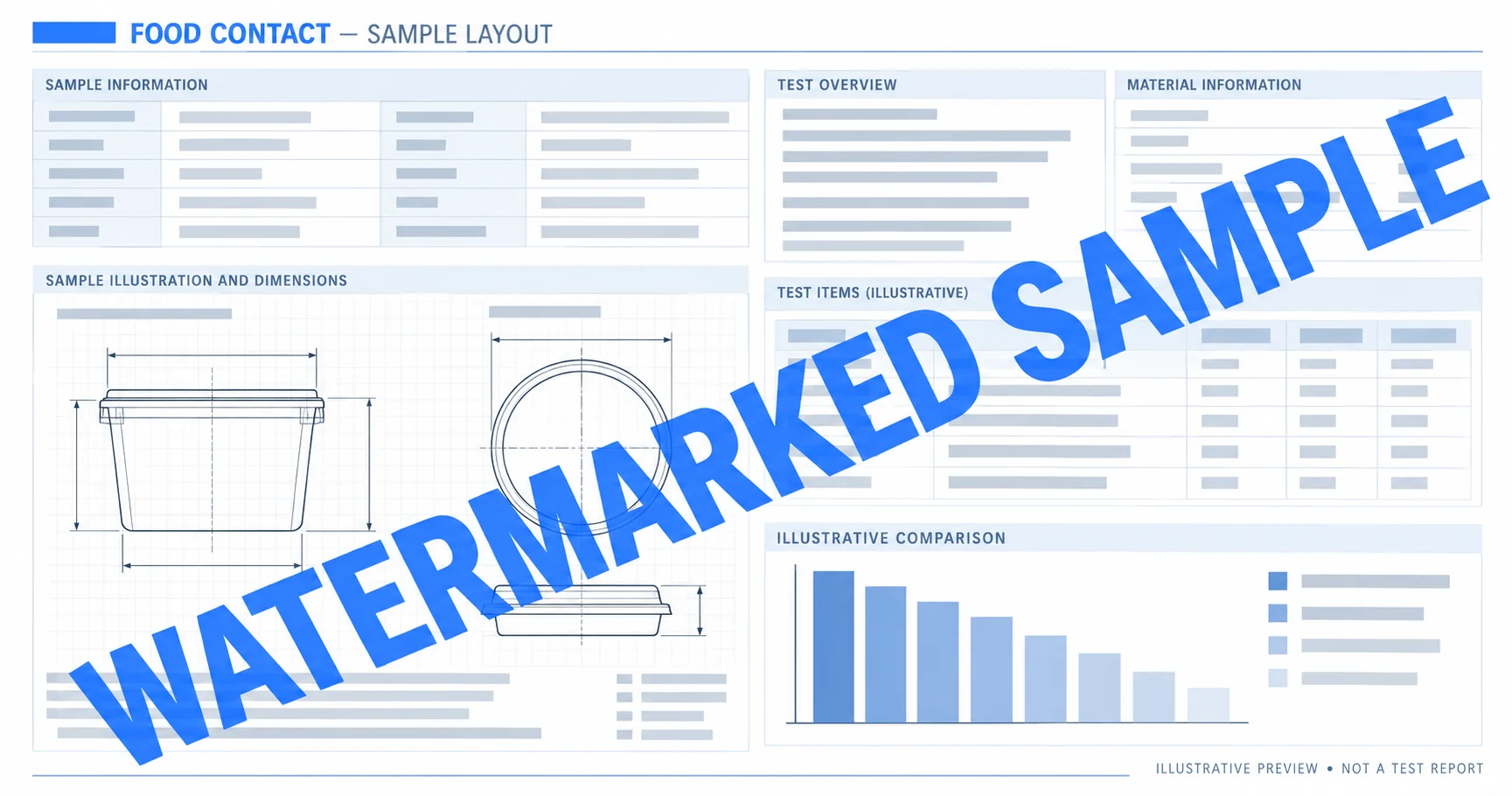
EC 1935/2004 + LFGB
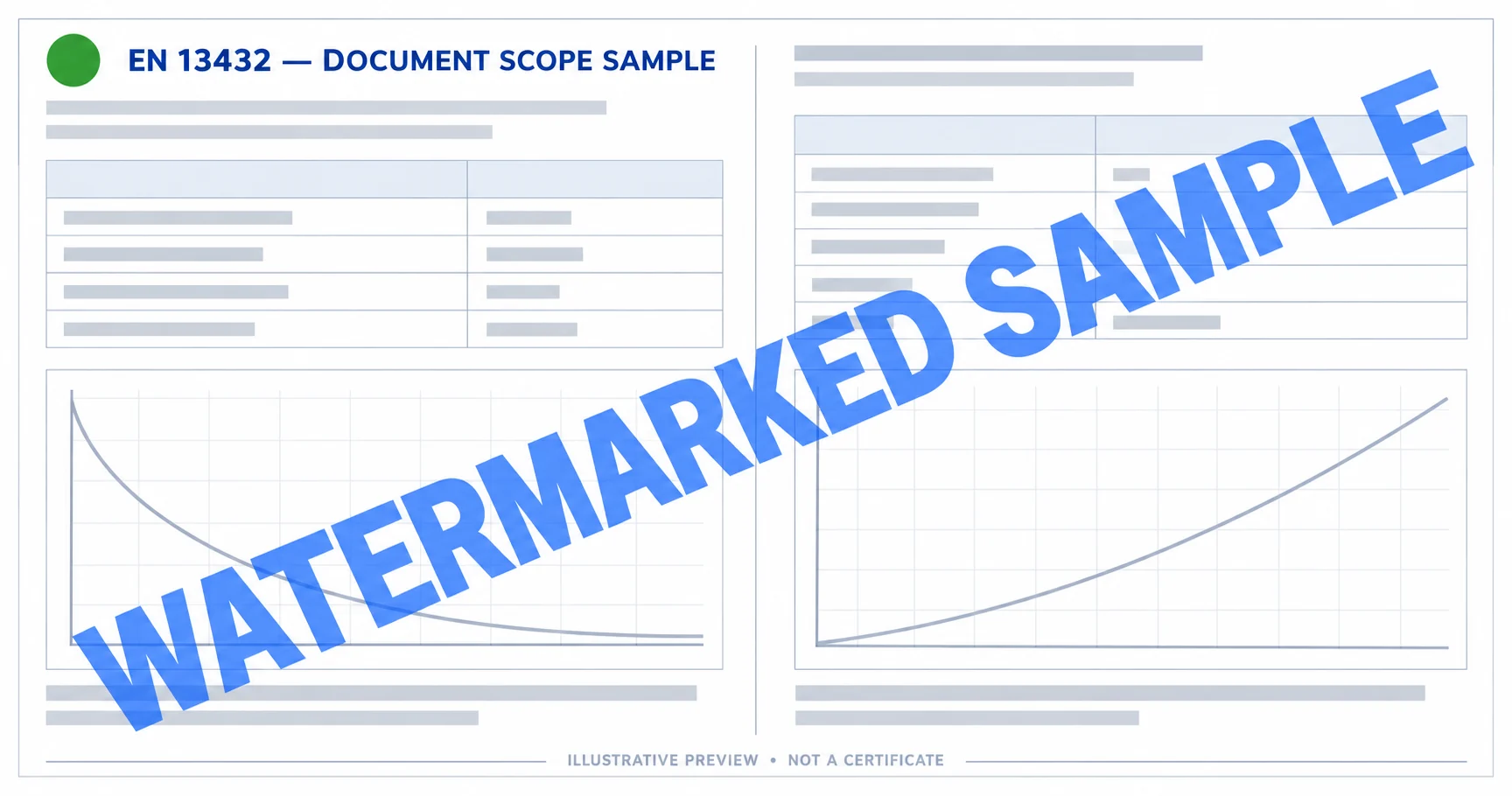
EN 13432 Document Scope
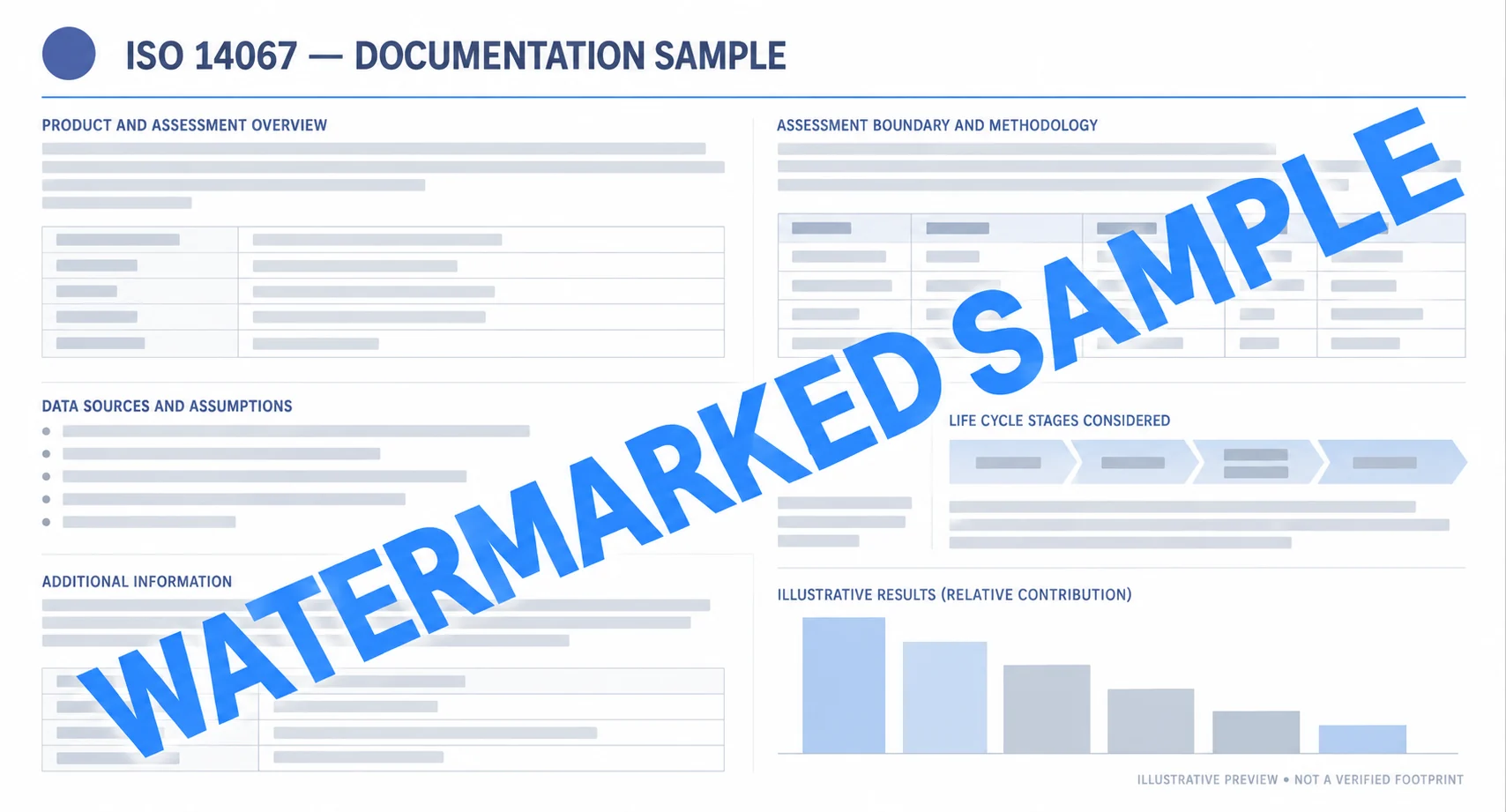
ISO 14067 Documentation
Complete your takeaway set
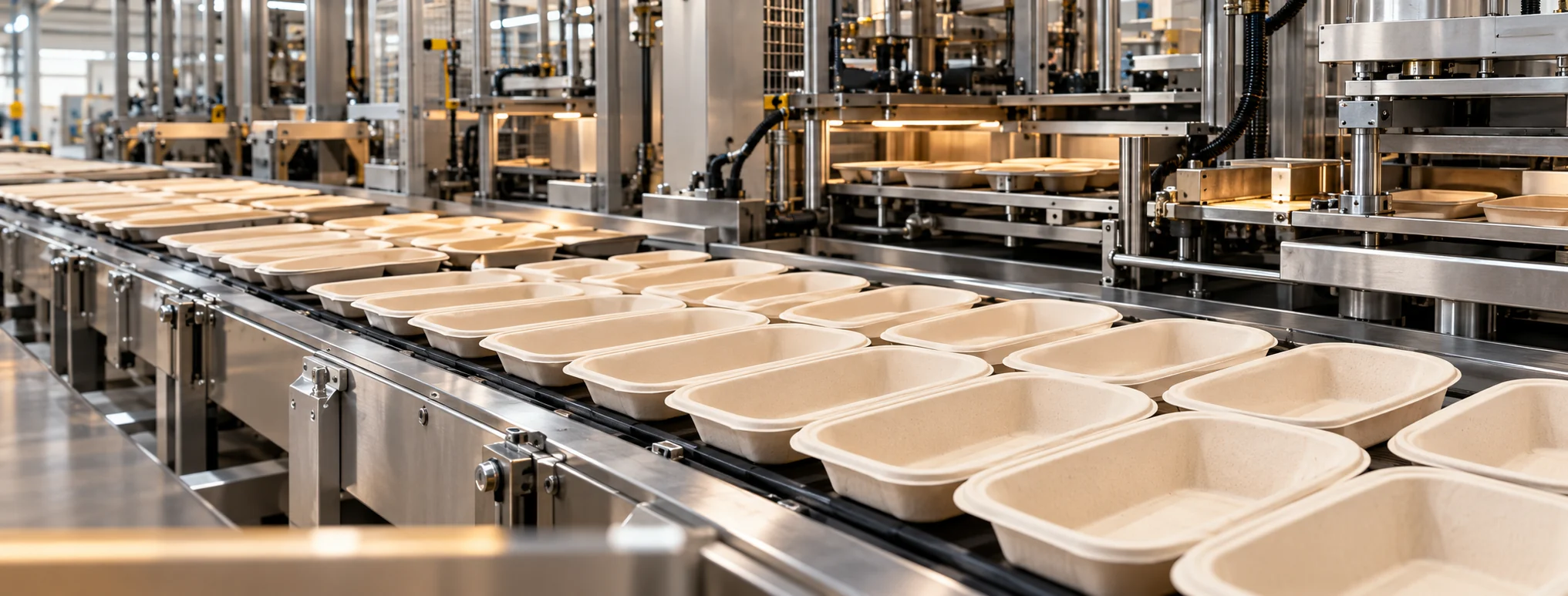
Food Container Manufacturing & Delivery Planning
MANUFACTURING PLANNING
Volume
Order quantity and forecast requirements.
Tooling
Format design, moulding and sample development.
Schedule
Production and dispatch timing.
Delivery Planning
Align palletisation with packing format and delivery requirements.
Production Coordination
Coordinate manufacturing requirements for consistent quality and supply.
Scale-up Planning
Review forecast volumes and tooling needs before increased production.
Buyer Questions
Which fibre materials can I specify?
You can specify wet-moulded bagasse, bamboo pulp or a bagasse–bamboo blend. Bagasse suits cost-focused volume orders, while bamboo fibres can reinforce stiffness and surface finish; the proposed trial blend is 70–85% bagasse with 15–30% bamboo on a dry-fibre basis. The final formulation is confirmed against the approved sample.
Can you develop a custom shape or branded finish?
Yes. Start from an existing format or send a drawing, reference sample or idea. We review geometry, material, lid fit and manufacturability, develop the tooling and initial samples, and proceed to mass production only after sample approval. Any material or geometry change requires a fresh sample and evidence review.
Which lid options are available?
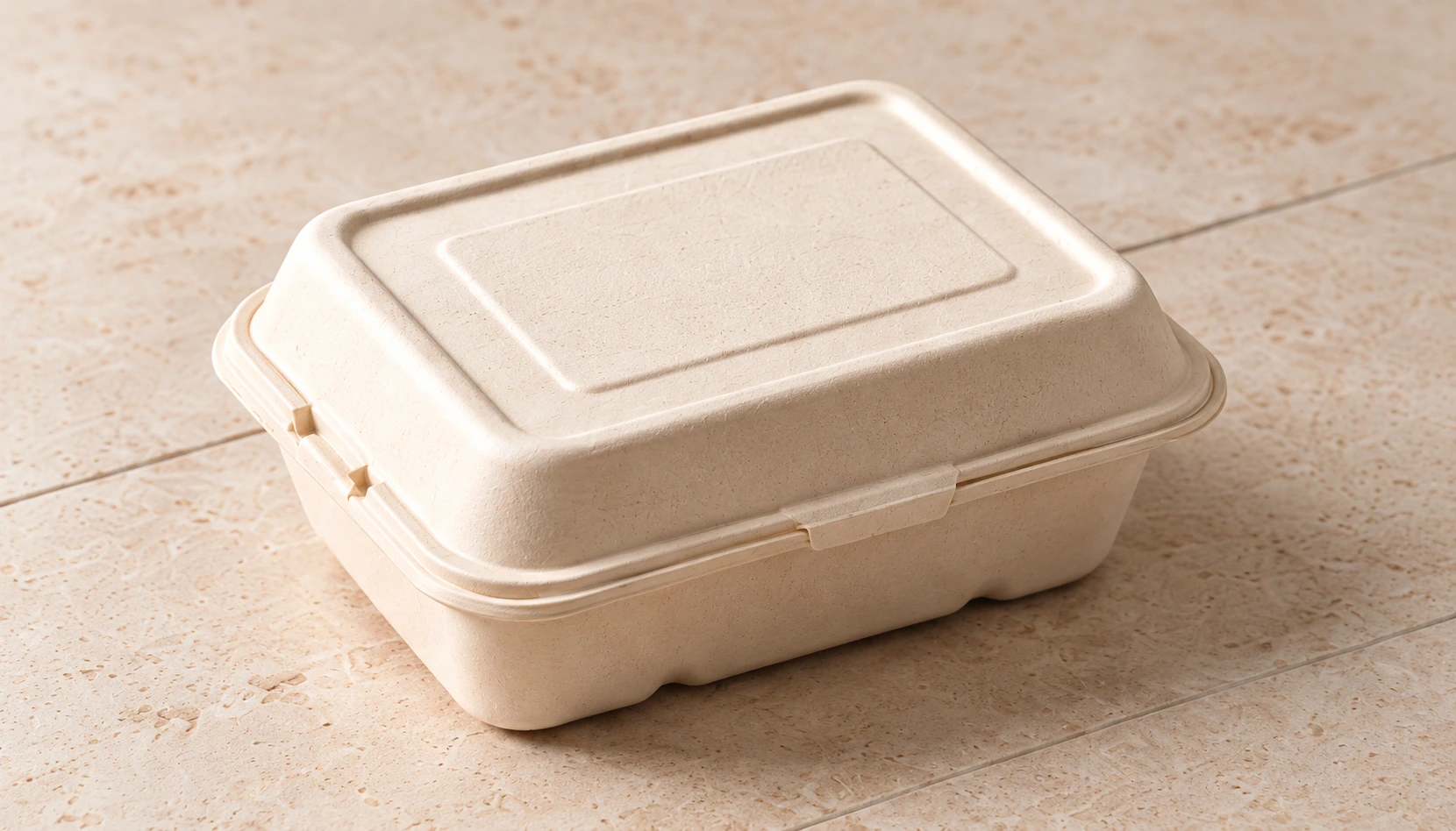
Clamshell formats use an integrated hinged lid, while the 750 ml bowl and four-compartment bento box use a separate lid. Lid compatibility depends on the selected finished product, so fit is confirmed through samples for the chosen container and material.
How should I select a container for oily or sauced food?
Assess wet strength, oil resistance and heating suitability on the finished pack. Barrier treatment is specified separately for oil and water resistance, and microwave or oven conditions should be confirmed from finished-product tests rather than assumed from the fibre type.
Which supporting documents can I request?
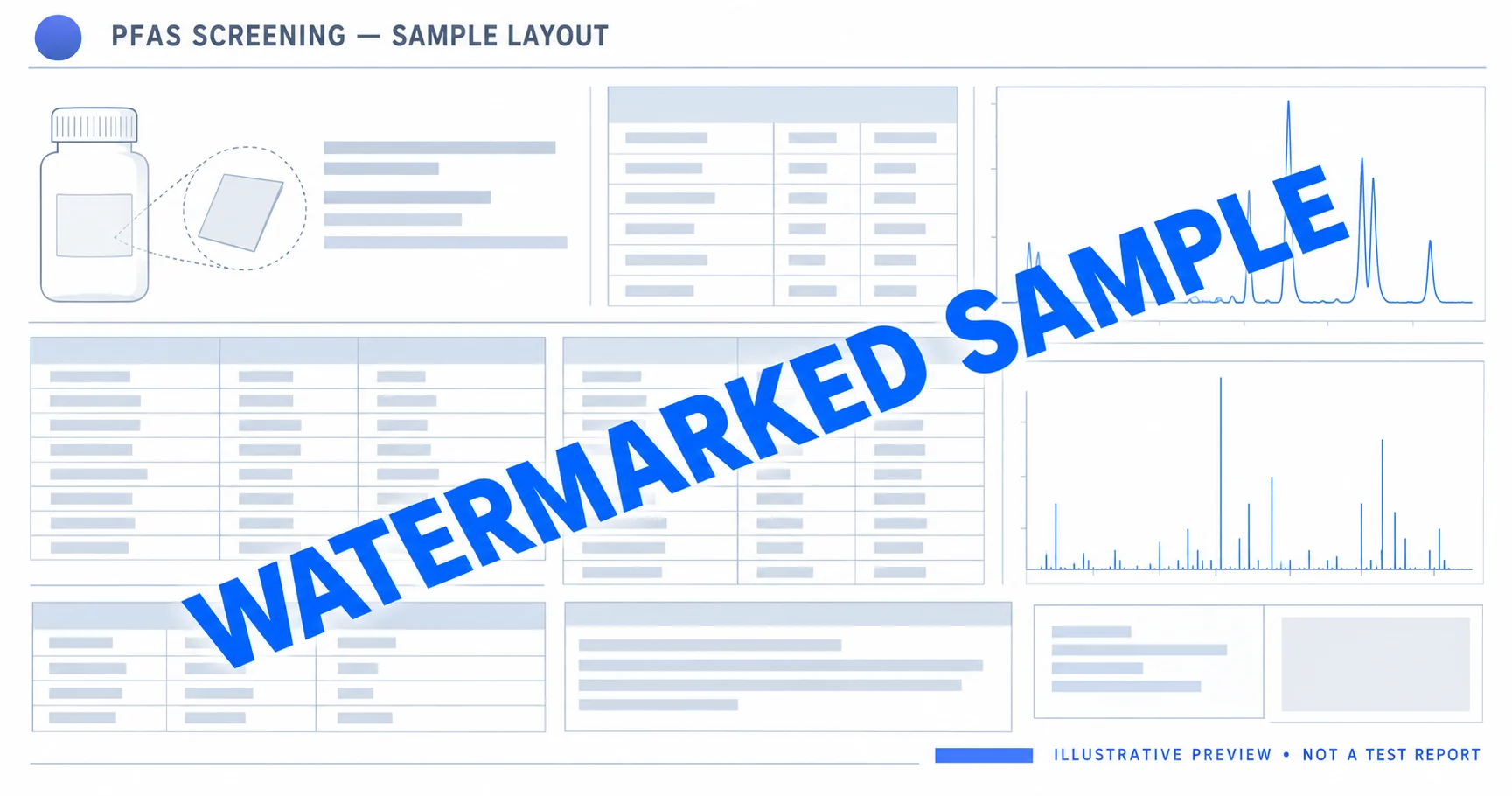
You can request documentation covering EC 1935/2004 and LFGB food contact, PFAS screening, EN 13432 document scope and ISO 14067 documentation. These are documentation topics rather than certification badges, and a report pack applies only when its sample, formulation, finish and test scope match the quoted product. Previews on this page are watermarked illustrative samples.
What information is needed for a quotation?
Share your selected format or drawing, approximate quantity, destination, intended use and preferred fibre, together with any lid or customisation requirements. A drawing or reference sample can be uploaded with your enquiry. Final dimensions, capacity, material and lid fit follow the approved sample.